

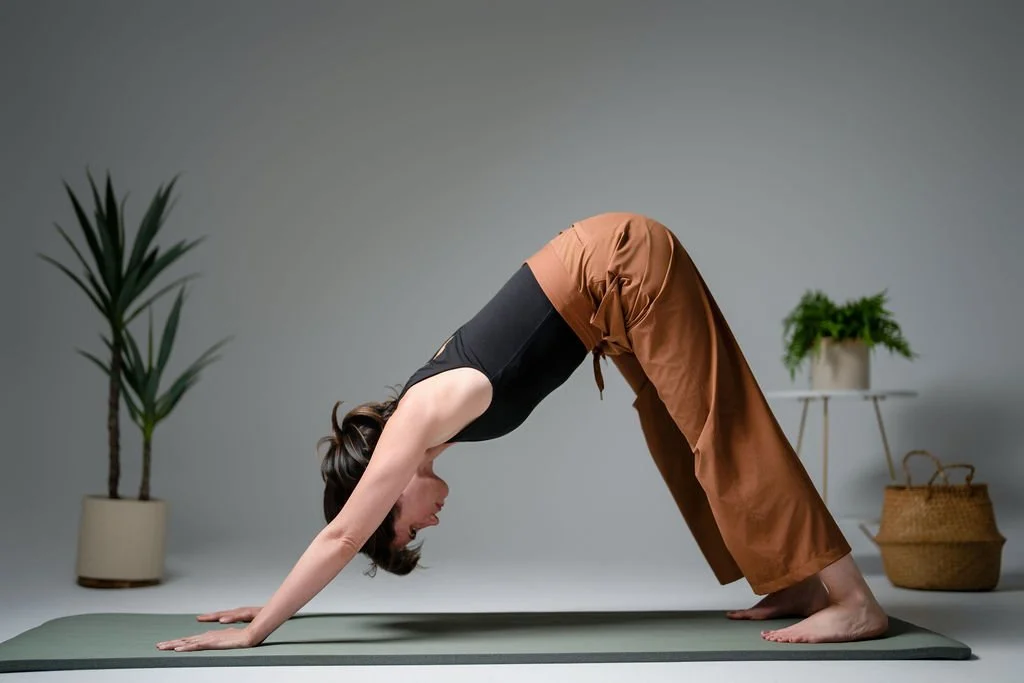
Somatic Yoga
What It Is and What It Isn’t
Our Approach
Somatic Yoga brings awareness and connection with your emotions and feelings.
This practice is built for a dysregulated nervous system.
Using grounding techniques, somatic yoga centers on how movement feels from the inside out, versus traditional yoga which focuses on poses, form, and flexibility. It’s about cultivating awareness, noticing where tension lives, and allowing your body to guide the pace and depth of your practice.
If your body feels like it's constantly bracing, aching, on edge, or somehow both too much and not enough — you're not imagining it, and you're not alone. Somatic yoga is a gentle, trauma-informed approach designed for people whose nervous systems are working overtime: those living with chronic pain, chronic illness, hypermobility, trauma, or anxiety that never quite turns off.
This isn't about pushing your body further. It's about helping it finally feel safe enough to soften.
Move through what you feel, not around it.
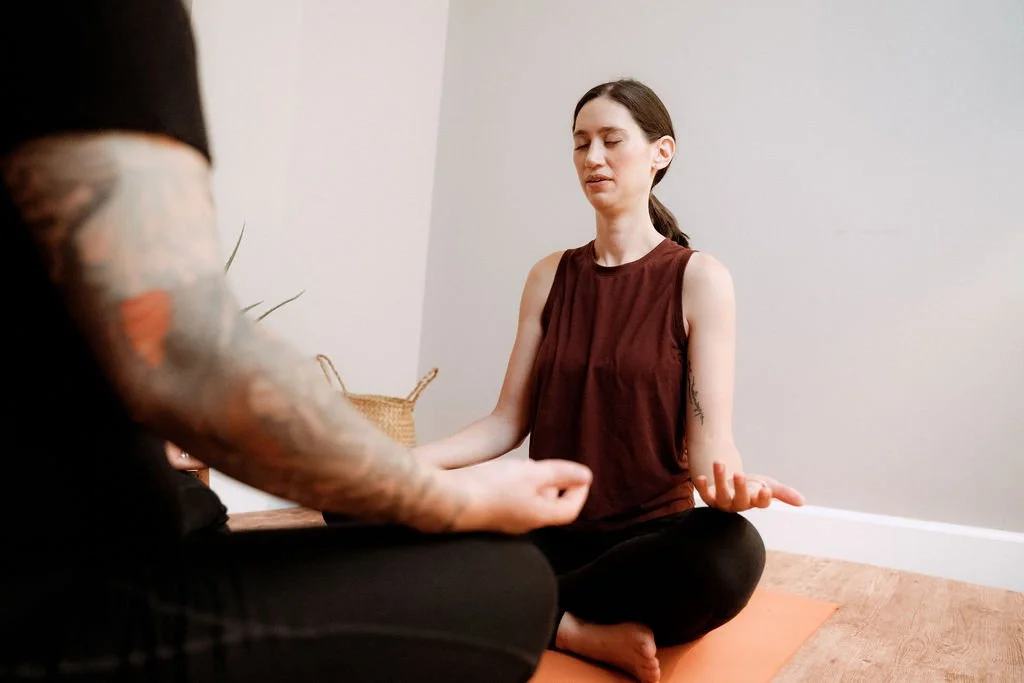
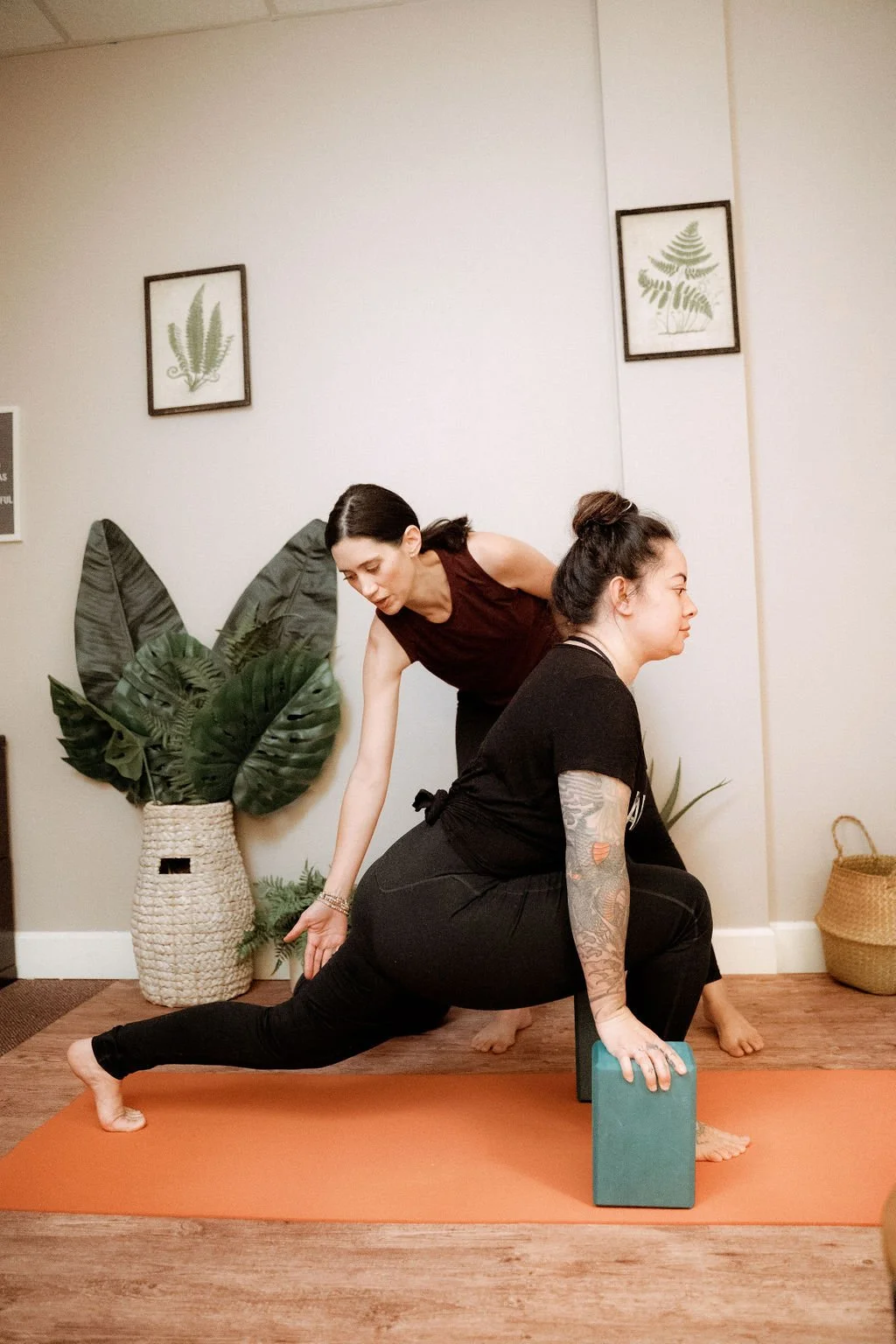
Somatic yoga invites you to listen inward, unwind stored tension, and reconnect with the parts of you that have been waiting to feel seen.
Who This Is For:
Somatic yoga can offer meaningful support if you experience:
Chronic pain or chronic illness — where your body already feels like it's working against you, and traditional exercise feels overwhelming or unsafe
Hypermobility — where more flexibility isn't the goal, and stability, proprioception, and nervous system safety matter more than deep stretching
Trauma or PTSD — where the body holds memory and protection patterns that talk therapy alone doesn't always reach
Anxiety or chronic overwhelm — where your nervous system feels stuck in high alert, even when nothing is "wrong"
General nervous system dysregulation — freeze, fawn, fight, or flight patterns that show up as fatigue, tension, disconnection, or feeling "too much" or "not enough"
In-person and remote options
We currently run classes in person weekly at MindState Movement in Bluffton. We also offer monthly workshops at neighboring studios and spas.
Online options are also available.
What Makes This Different from a Typical Yoga Class
Somatic yoga isn't about achieving a pose or building flexibility. It's slow, adaptable, and led by sensation rather than performance — because for a dysregulated nervous system, safety comes before stretch.
This may look like:
Small, gentle movements instead of full poses
Permission to move minimally — even just breath and stillness count
Body-led pacing rather than instructor-led pacing
Attention to proprioception and joint stability (especially important for hypermobile bodies)
No pressure to "push through" pain or discomfort — ever
Frequently Asked Questions
Is somatic yoga safe for chronic pain or chronic illness?
Yes. Somatic yoga is designed to be adaptable, not performance-based — there's no pressure to push through pain or discomfort. Movements can be as small as needed, and the practice is led by what your body can safely do that day, not by a set sequence everyone follows the same way.
Do I need to be flexible to try somatic yoga?
Not at all. Flexibility isn't the goal here — safety and nervous system regulation are. In fact, for hypermobile bodies, the focus often shifts away from stretching further and toward building stability, proprioception, and a felt sense of groundedness.
Is somatic yoga safe for hypermobility or joint instability?
Somatic yoga can be adapted for hypermobile and joint-sensitive bodies by prioritizing control, stability, and body awareness over range of motion. If you're hypermobile, it's especially important to work with a teacher who understands how to modify movement safely for your body.
What's the difference between somatic yoga and regular yoga?
Traditional yoga often emphasizes poses, alignment, or physical performance. Somatic yoga emphasizes internal sensation and safety — noticing what's happening inside the body and moving in response to that, rather than moving to achieve a shape. It's less about what a pose looks like and more about what it feels like from the inside.
Can somatic yoga help with anxiety or trauma?
Yes. Trauma and chronic anxiety often live in the body as much as the mind — as bracing, hypervigilance, or disconnection. Somatic yoga offers a gentle way to build a felt sense of safety in the body, which can support (not replace) other trauma-informed therapeutic work like IFS or somatic therapy.
Do I have to talk about my trauma or history during a somatic yoga class?
No. Somatic yoga doesn't require you to share your story. The practice works with the body directly — you're welcome to simply move, breathe, and notice, without needing to explain or process verbally.
What if I have a nervous system that feels "stuck" — always anxious, or always shut down?
Somatic yoga can support both ends of the nervous system spectrum — whether you tend toward hyperarousal (anxiety, restlessness, feeling "on") or hypoarousal (fatigue, numbness, feeling "off" or disconnected). The pacing and approach are adjusted to meet your nervous system where it is.
Do I need any prior yoga experience?
No experience is necessary. Somatic yoga is accessible for complete beginners, as well as for people who've had difficult experiences with traditional yoga or exercise in the past.