

Somatic Yoga: A Gentle Companion to EMDR Therapy and CPTSD Recovery

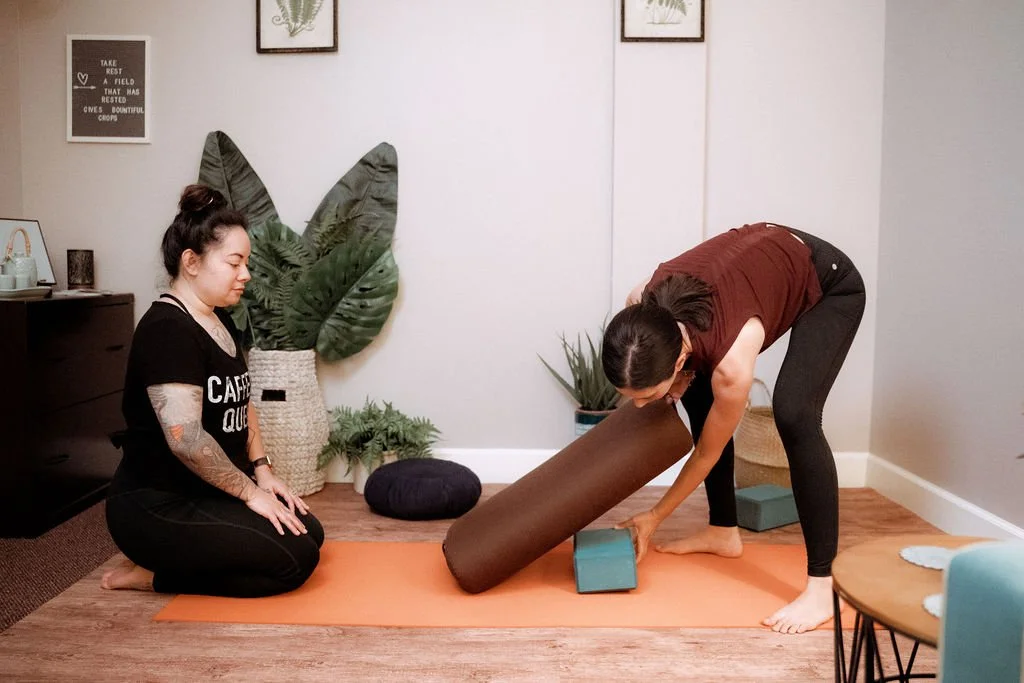
If you're in EMDR therapy, attending a CPTSD support group, or simply searching for ways to feel more at home in your body, somatic yoga can be a powerful addition to your healing journey. Unlike a typical yoga class, somatic yoga is slow, trauma-informed, and focused on helping your nervous system feel safe — not on achieving a perfect pose.
With a vision for building something meaningful, our founder brings a blend of big-picture thinking and hands-on experience. They set the tone for everything we do.
What Is Somatic Yoga?
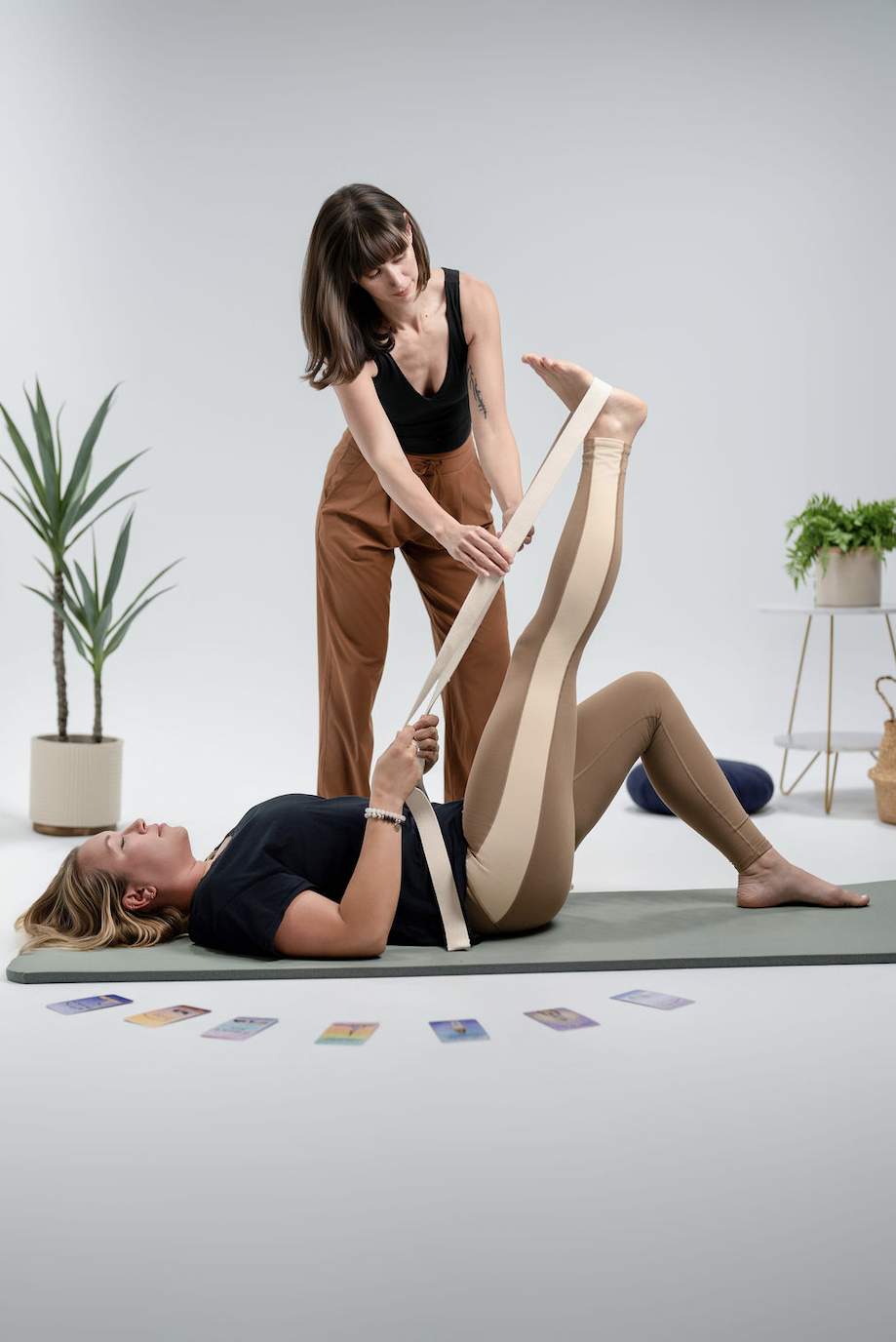
Somatic yoga blends gentle movement, breathwork, and body awareness to help release stored tension and stress patterns held in the body. For those healing from trauma or complex PTSD (CPTSD), this practice offers a way to reconnect with the body at a pace that feels safe — with no pressure, no performance, and no judgment.
How Somatic Yoga Supports EMDR Therapy
Many people in EMDR therapy find that somatic yoga helps regulate their nervous system between sessions. EMDR works by helping the brain reprocess difficult memories, and somatic practices can support this process by helping the body settle, release tension, and build a stronger sense of safety and groundedness — making it easier to show up to therapy sessions feeling more regulated.
A Gentle Step for Those in CPTSD Support Groups

Pete Walker defines CPTSD as, “a more severe form of post-traumatic stress disorder. It consists of emotional flashbacks, toxic shame, self-abandonment, a vicious inner critic and social anxiety. Emotional flashbacks are sudden and prolonged regressions to the overwhelming feeling-states of being an abused/abandoned child and can include overwhelming fear, shame, alienation, rage, grief, and depression.”
People who have never been safely and securely held lack the visceral experience of a calmly abiding center: a deep sense of being absolutely all right and absolutely safe.
This is where Somatic Yoga is key to healing.
If you're part of a CPTSD support group — or searching for one near you — somatic yoga can be a wonderful complement to that work. Support groups offer connection and shared understanding; somatic yoga offers a quiet, individual space to process what comes up in the body, at your own pace, in a way that feels supported but not overwhelming.
What to Expect in a Class
Movement at YOUR pace
Slow, gentle movement — no experience necessary. Breath work and grounding techniques with optional choice and agency.
A trauma-informed, judgment-free space
Small group sizes for a sense of safety and connection.
Led by Licensed Clinical Therapist who is also certified in yoga
Trained specifically to understand the mental health components and how yoga can support
Is Somatic Yoga Right for You?
This class may be a good fit if you:
- Are currently in therapy (EMDR, talk therapy, or otherwise) and want additional support
- Are looking for CPTSD support in Bluffton, SC and want a gentle, body-based option
- Feel disconnected from your body and want to reconnect in a safe way
- Experience anxiety, hypervigilance, or chronic stress in the body
Note: Somatic yoga is a complementary practice and is not a replacement for therapy, EMDR, or a clinical support group. If you're looking for EMDR therapy or a CPTSD support group, link HERE for more information — and feel free to reach out if you have questions about how these offerings can work together.
Frequently Asked Questions
Is somatic yoga the same as therapy?
No. Somatic yoga is a movement-based practice that supports nervous system regulation and body awareness, but it is not a substitute for therapy. Many people use it alongside therapy (such as EMDR) or a support group for additional support between sessions.
Do I need yoga experience to join?
Not at all. Somatic yoga is gentle and accessible for all bodies and experience levels. The focus is on awareness and safety, not flexibility or performance.
Will this help with CPTSD symptoms?
Somatic practices can help some people feel more regulated, grounded, and connected to their bodies, which many find supportive when healing from CPTSD. Everyone's experience is different, and somatic yoga works best as part of a broader support system that may include therapy or a support group.
What if I have a trauma response during class?
Classes are trauma-informed, meaning the space is designed with safety in mind — movements are invitational, you're always welcome to rest or step back, and there's no pressure to push through discomfort.
How is this different from a regular yoga class?
A typical yoga class often focuses on physical fitness, alignment, or flexibility. Somatic yoga focuses on internal awareness — noticing sensations, releasing tension, and supporting the nervous system — at a slower, gentler pace.
Do you offer EMDR therapy or CPTSD support groups too?